
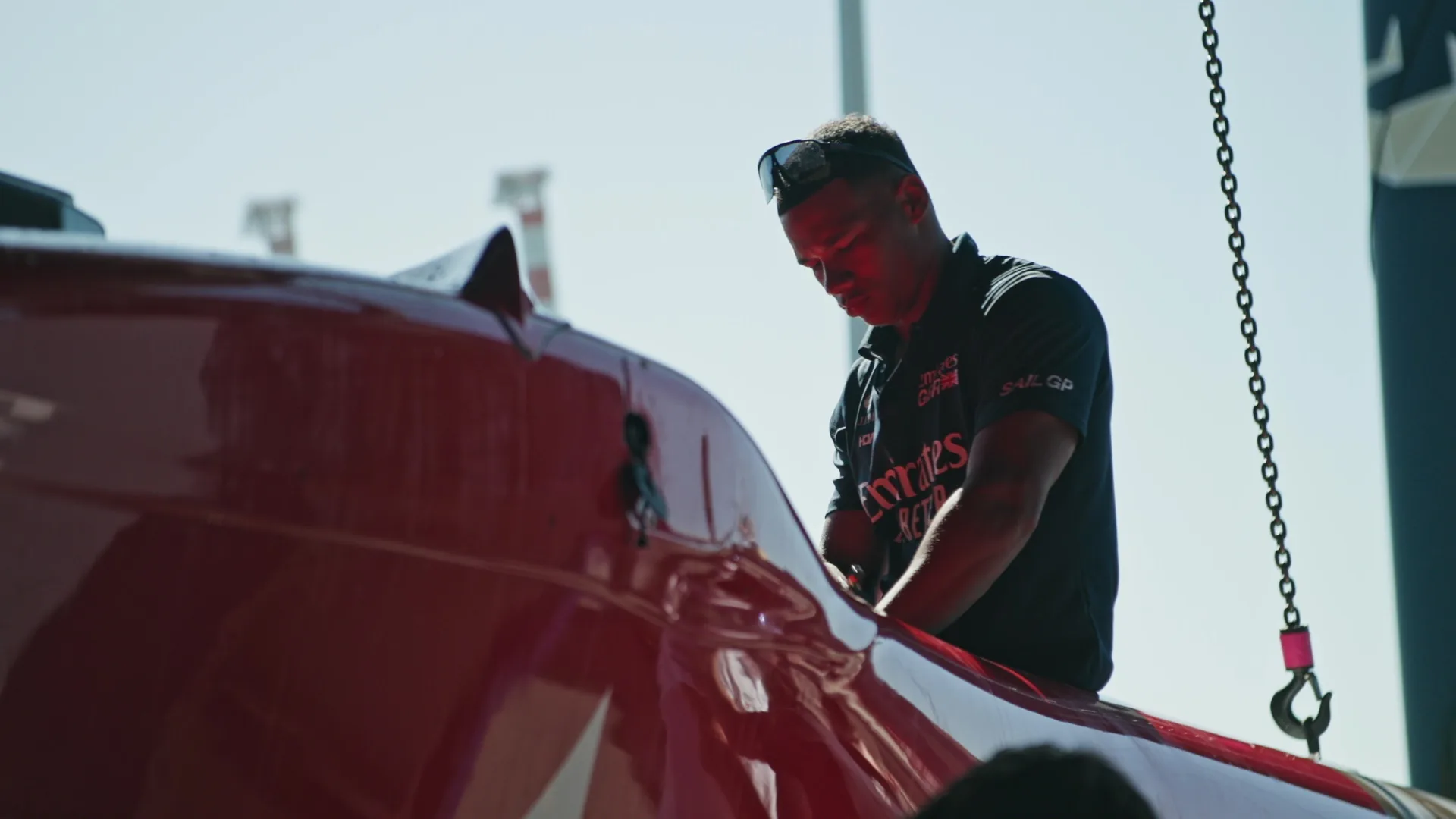
During the season
Most sports documentaries arrive a year late. The crew films a whole season, the edit takes months, and by the premiere everyone knows who won. We film, cut and release as we go, so people watch to find out what happens next.
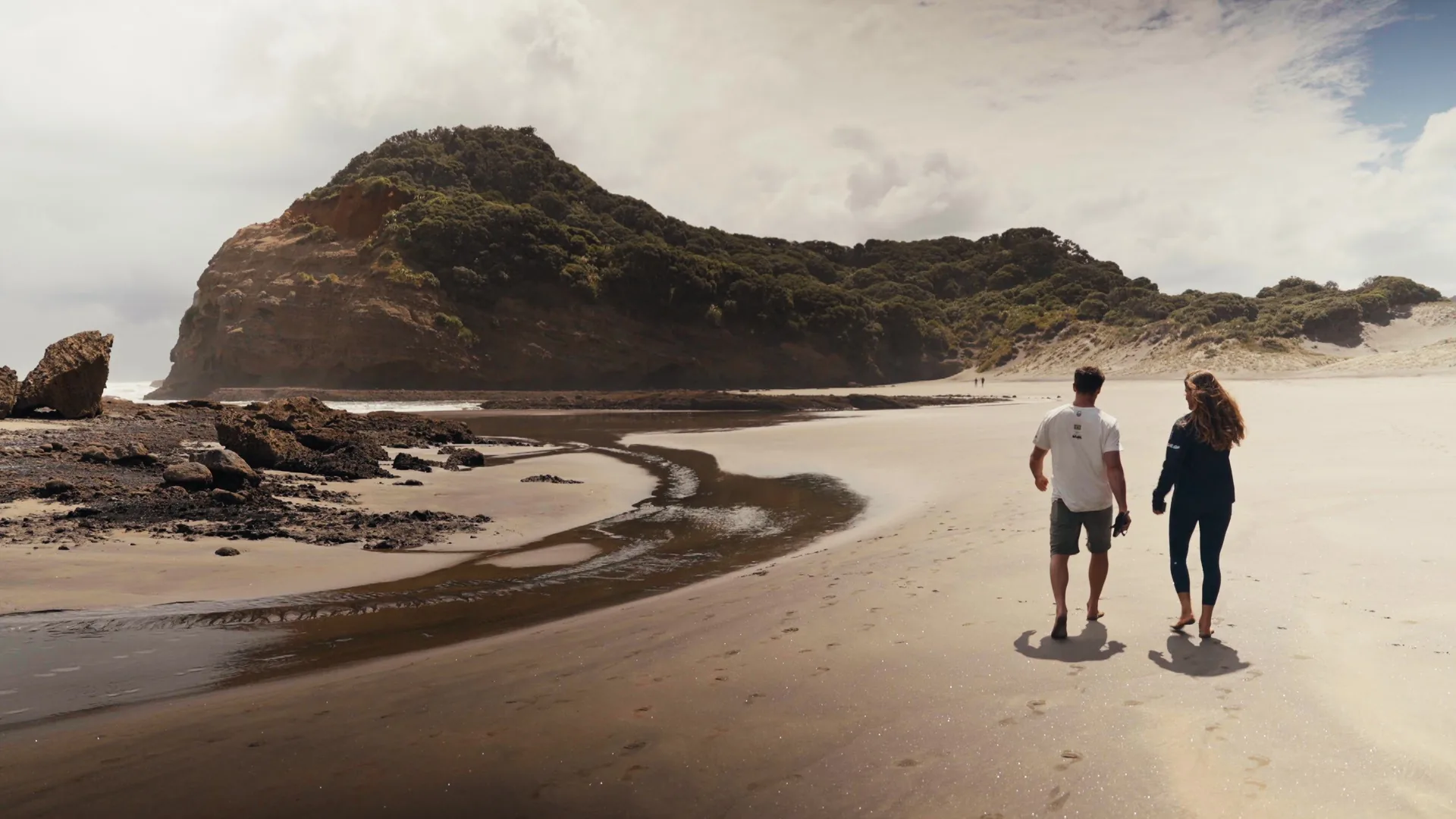
AS SEEN ON SAILGP'S RACING ON THE EDGE
Premium behind-the-scenes series, released episode by episode during the season, for a fraction of the cost of a streaming docuseries. Distribution included.


Trusted by world-class brands, including Rolex and SailGP.
“Drive to Survive on water.”












































Most sports documentaries arrive a year late. The crew films a whole season, the edit takes months, and by the premiere everyone knows who won. We film, cut and release as we go, so people watch to find out what happens next.
Our episodes come out while your partners’ logos are still on the boat, the car or the shirt. Each one gives them something new to activate around, and exposure they can point to before renewal talks start.
We build around the content team you already pay for, people the athletes already trust, and add only the senior directors, producers and DOPs who lead the shoot. So there’s no second crew to pay for, the athletes open up to faces they know, and your crew spends the season learning from ours.
Premium documentaries & behind-the-scenes series.

All non-fiction, all made for entertainment audiences.
We take our time with people, because the first answer anyone gives is usually the one they’ve given everyone else. We look for the small things, a joke made out of nerves or a phone call taken outside, and place them early, so that when the moment comes, nothing needs to be said. We try not to tell an audience how to feel.
With a partner, we start by learning their world and the ideas they live by. Then we search for the story that carries those ideas without ever stating them. The film itself never sells. The moment it starts to, an audience stops believing it. From there, we work with broadcasters, distributors and digital channels to get it seen.

It’s hard to tell from the inside.
When you’re in the middle of it, it mostly feels like work: the long days, the problem you’ve been trying to solve since March. Some of the best stories we’ve told came from people who didn’t think they had one.
So ask us. If there’s no film in it, we’ll say so. If there is, we’d ask one thing of you: let us stay on the days you’d rather we didn’t. Those are the days that get strangers rooting for you. Without them, the good days look like an advert, and other people make those better than we do.
Every marketer knows stories work. The next level is letting an audience get close to the people behind yours.
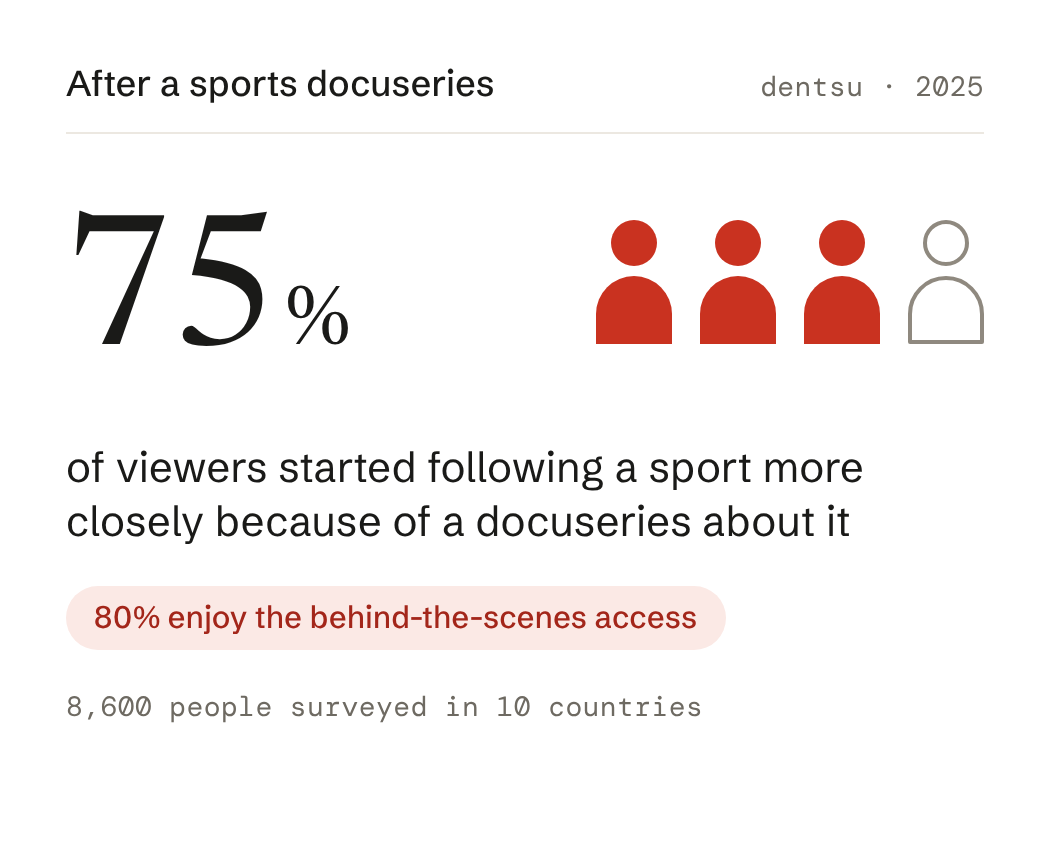
In dentsu’s 2025 study of 8,600 people in ten countries, 62% of viewers found sports docuseries more entertaining than other types, such as true crime, and 80% said they enjoy the behind-the-scenes access. These series reach people who rarely watch live sport, women and Gen Z especially, and the connection outlasts the final episode: 63% prefer to follow athletes who share their lives outside sport. Meanwhile, algorithms are splitting audiences apart and AI is filling feeds with content that’s polished but empty. Series like these are one of the few formats that still bring a whole household to the same screen. So if you’ve got a story, tell it now, while people are looking for stories like yours. We’d love to hear it.
Read the dentsu reportYes, if something real is at stake. We started in sport, where something always is. The same is true anywhere the competition is fierce and nobody knows how it ends: a company racing a rival to launch, a trading floor, a kitchen chasing its first star. We’d film any of them.
And audiences care whether a story is real. Tell people AI wrote one and they get less absorbed in it, even if a person actually wrote it. AI can’t be there when something real happens. We can, and we know what to do with it.
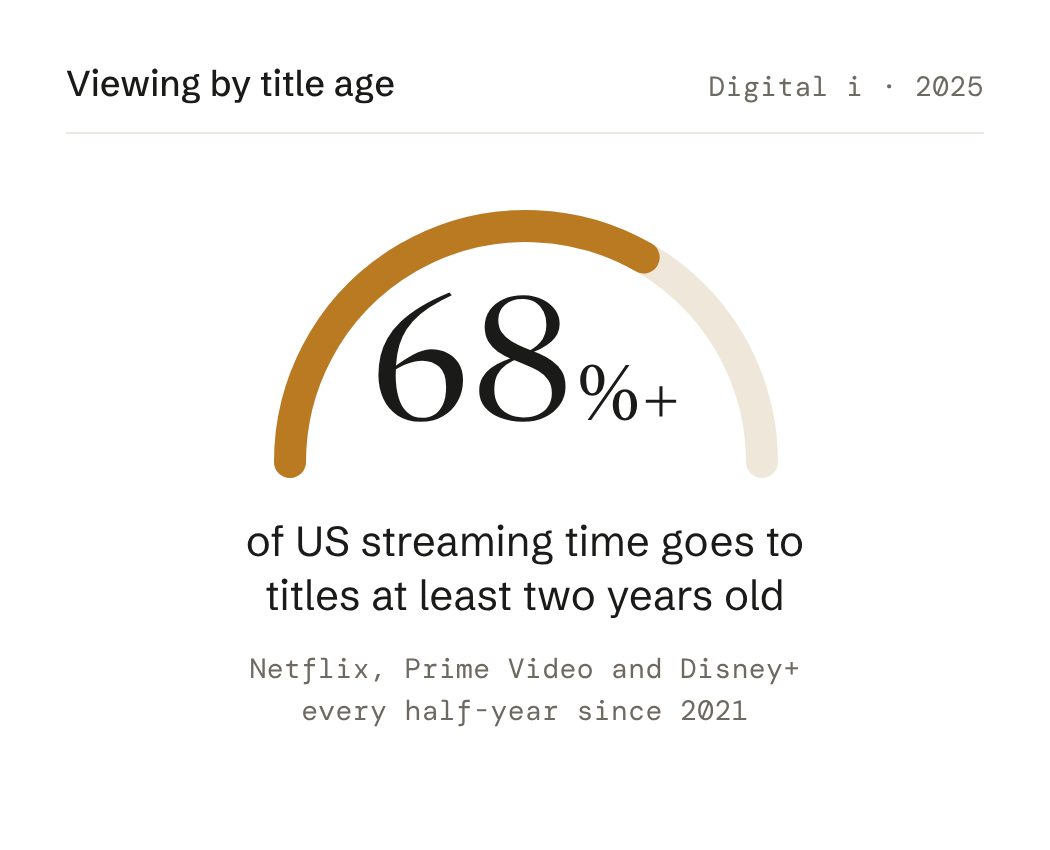
81% of firelight talk involved stories
Hunter-gatherers, PNAS 20143 in 4 docuseries viewers feel closer to athletes
dentsu, October 202578% say AI makes ads feel less authentic
The Harris Poll, June 2026AI help made stories better, but more alike
Science Advances, 2024More evidence
See all sourcesWhat we make
Some stories last for generations, some need following as they happen, and some are best told a minute at a time, every day. We make documentary films and series, behind-the-scenes series and vertical shorts series, and part of our job is working out which one your story needs.
01 - OVER TIME
A good documentary outlives its release. It becomes the account audiences return to, and it leaves a lasting mark. Will your story live past this year? Will it matter to the next generation? Is it transformative at heart? If so, this might be your format.
02 - AS IT HAPPENS
Nobody knows how this ends, not even the people living it. Let an audience behind the scenes while it happens, and they start following the real thing too, not just the series. We know which moments matter.
03 - IN A MOMENT
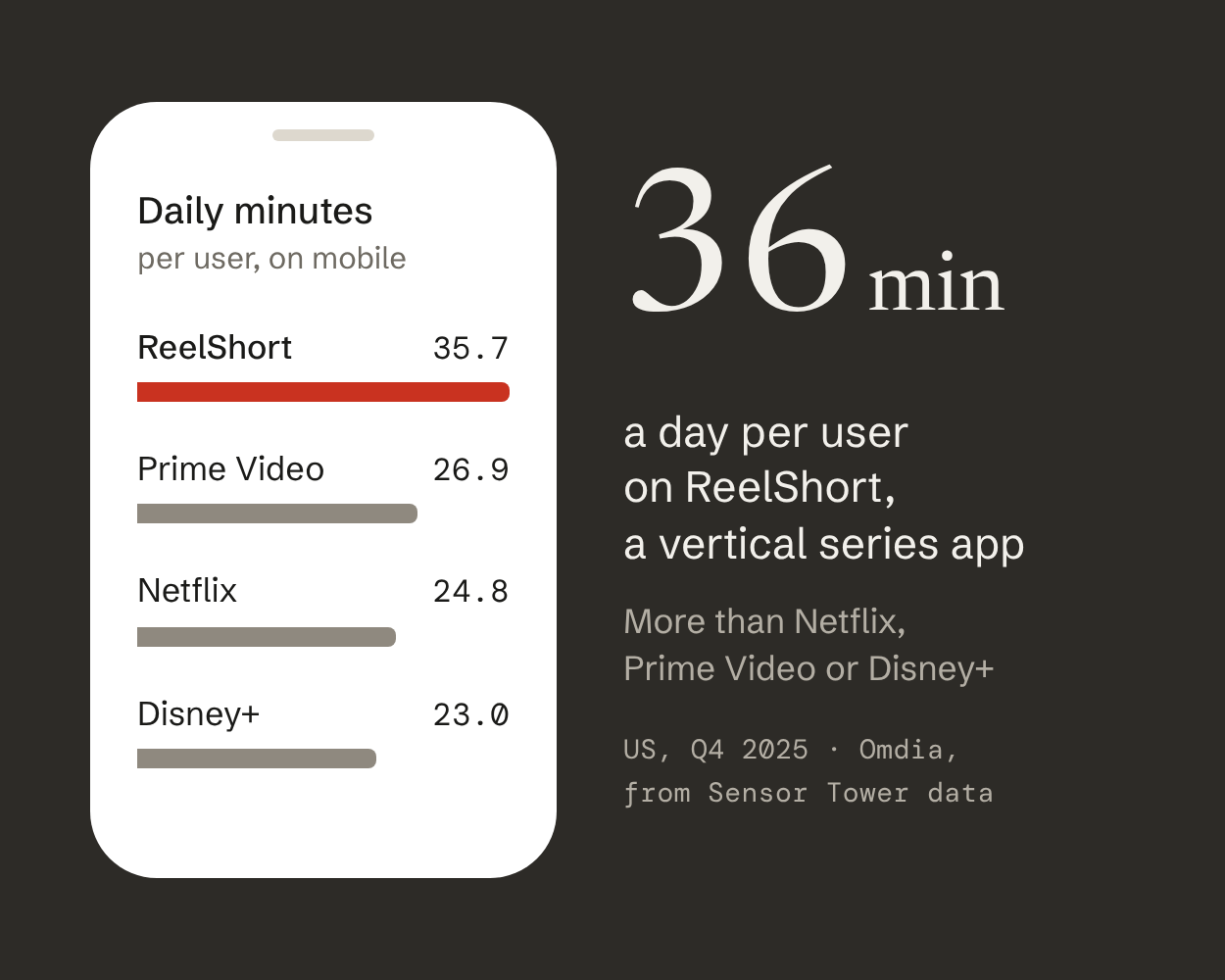
Does your story move in moments rather than chapters? Is there always something new happening, across a season or a campaign? Do you want a place in your audience’s day, not just their week?
Starts with empathy
There are plenty of good documentary makers. What makes us different is empathy. We want you to understand the people on screen well enough to feel what they feel. Empathy is also the title of the episode we’d show you first.
The stories we tell always start with the person. Once you know what someone is carrying, a mistake, an argument or a win means something, even to people who’ve never watched the sport.
Racing on the Edge · 2026 · Episode 5
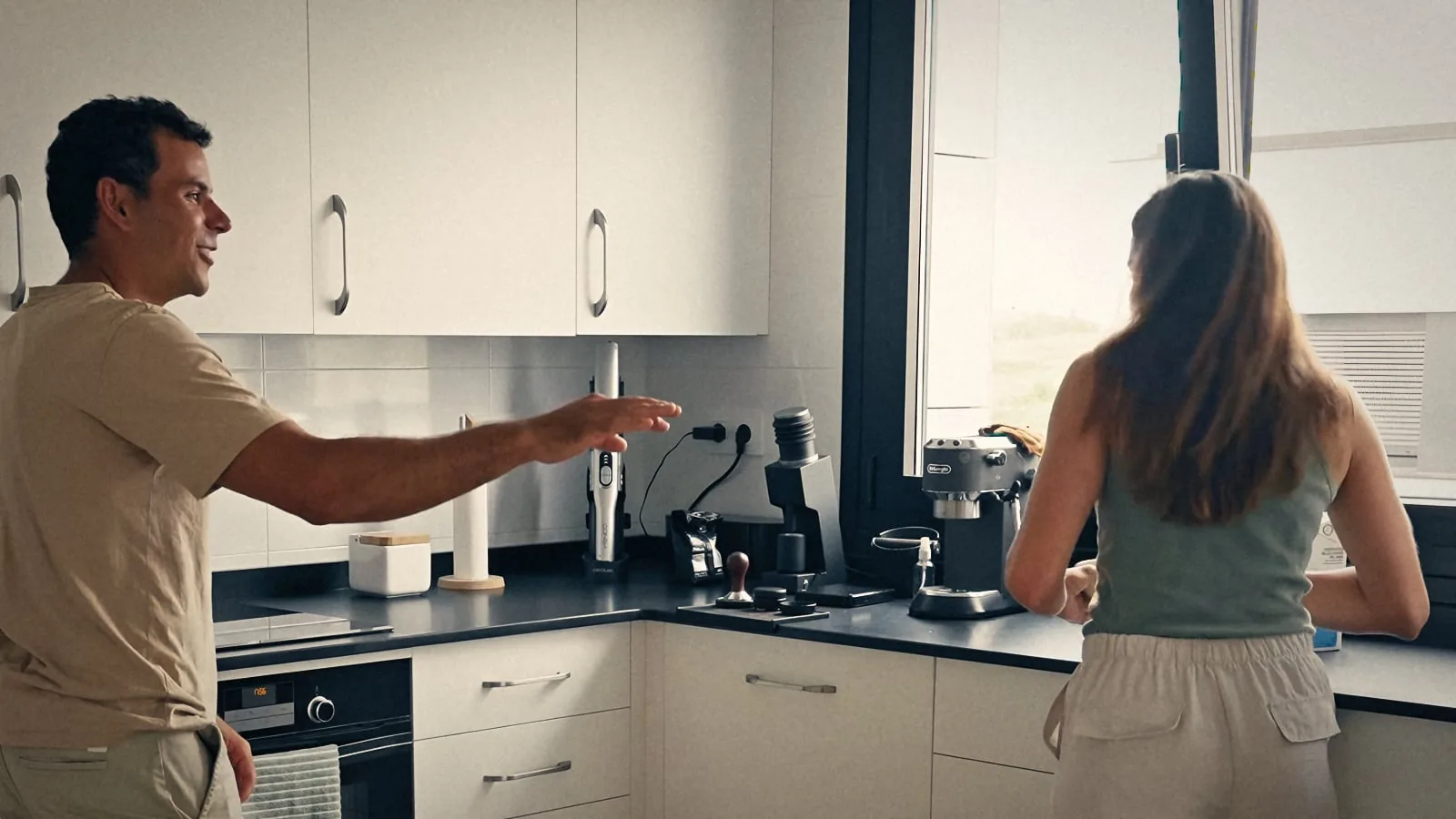 Watch the episode
Made for SailGP, in partnership with Rolex
We’re closer to a record label than a production company: a small group of filmmakers with one way of telling stories, and a body of work that shows it.
See all our workSpain’s strategist, Nicole van der Velden, took on responsibility young when her mother fell seriously ill. Failing others still hurts her most. So when Spain make a costly mistake in the Portsmouth final, then come back from fourth to win, you know what it means to her.
Spain work with a psychologist on trust. Canada swap their F50 for dinghies and race local young sailors, just for fun. Side by side, the episode asks what holds a team together.
Most sports documentaries arrive a year late. The crew films a whole season, the edit takes months, and by the premiere everyone knows who won. We film, cut and release as we go, so people watch to find out what happens next. Empathy came out with two events left in the season.
Tell us what’s at stake in your world, and we’ll tell you the story we’d go looking for.
Let’s talkOur job is to entertain: to let people live more lives than their own, flex their emotions and come to understand each other. We do it by finding what a moment means to the person living it and telling it while it’s still happening.

As long as there’s something real at stake, there’s a story people will watch. We embed with the people living those stakes and film what outsiders never see, while the ending is still in doubt.
Let’s talk →We don’t wait for a brief. We develop our own slate of access-led documentaries and returning series, access in place, format designed, and bring each one to the broadcasters and platforms it’s right for.
Ask what we’re developing →A team under pressure is a team under pressure, on a race boat, a trading floor or a launch pad. Sport, through Racing On The Edge for SailGP and Rolex, is where we sharpened the craft of filming it. What we do there works anywhere the stakes are real. Yours included.
See the proof →“Companies are now paying a premium for perspective.”
Listen to the episode →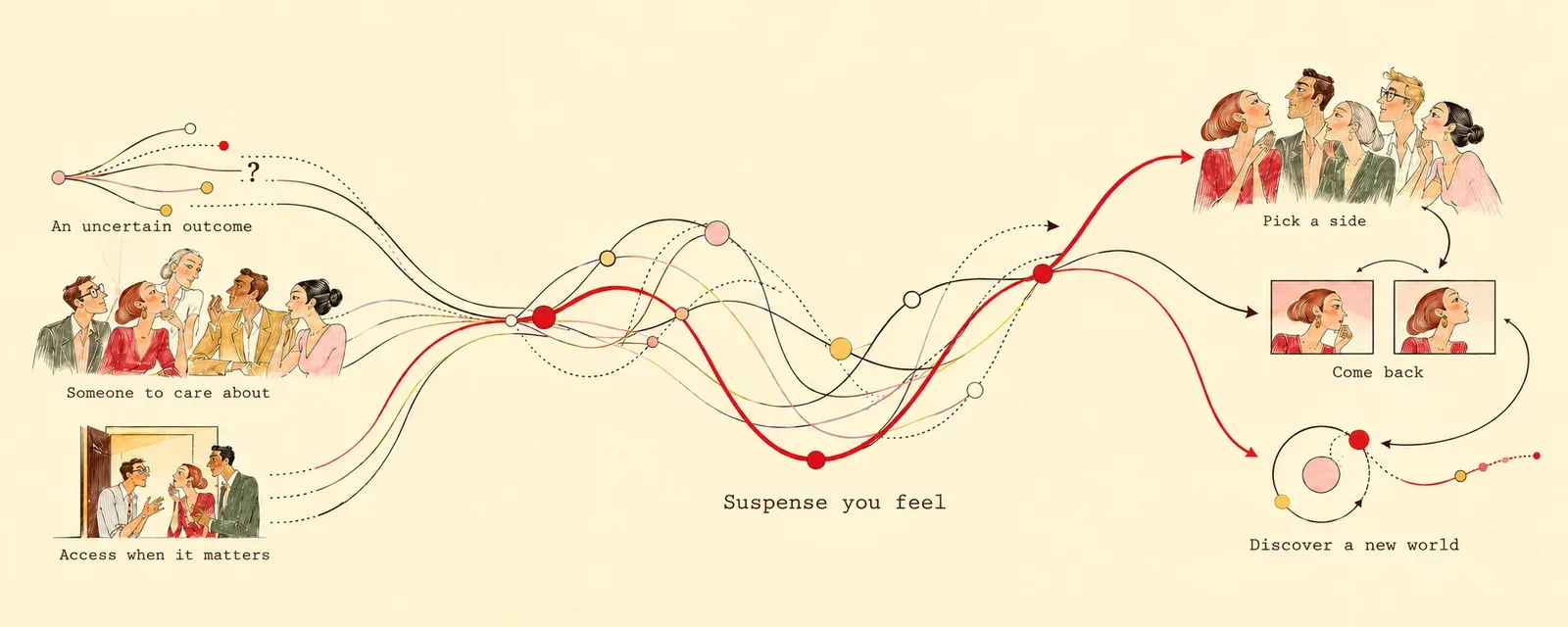
Because everything we film runs on the oldest engine in storytelling: nobody knows how it ends, not even the people living it.
We embed with teams, companies and athletes while the outcome is still in doubt, so viewers get real suspense rather than a reconstruction. They live through the setbacks, the comebacks and the decisions made under pressure, by people with something genuine on the line.
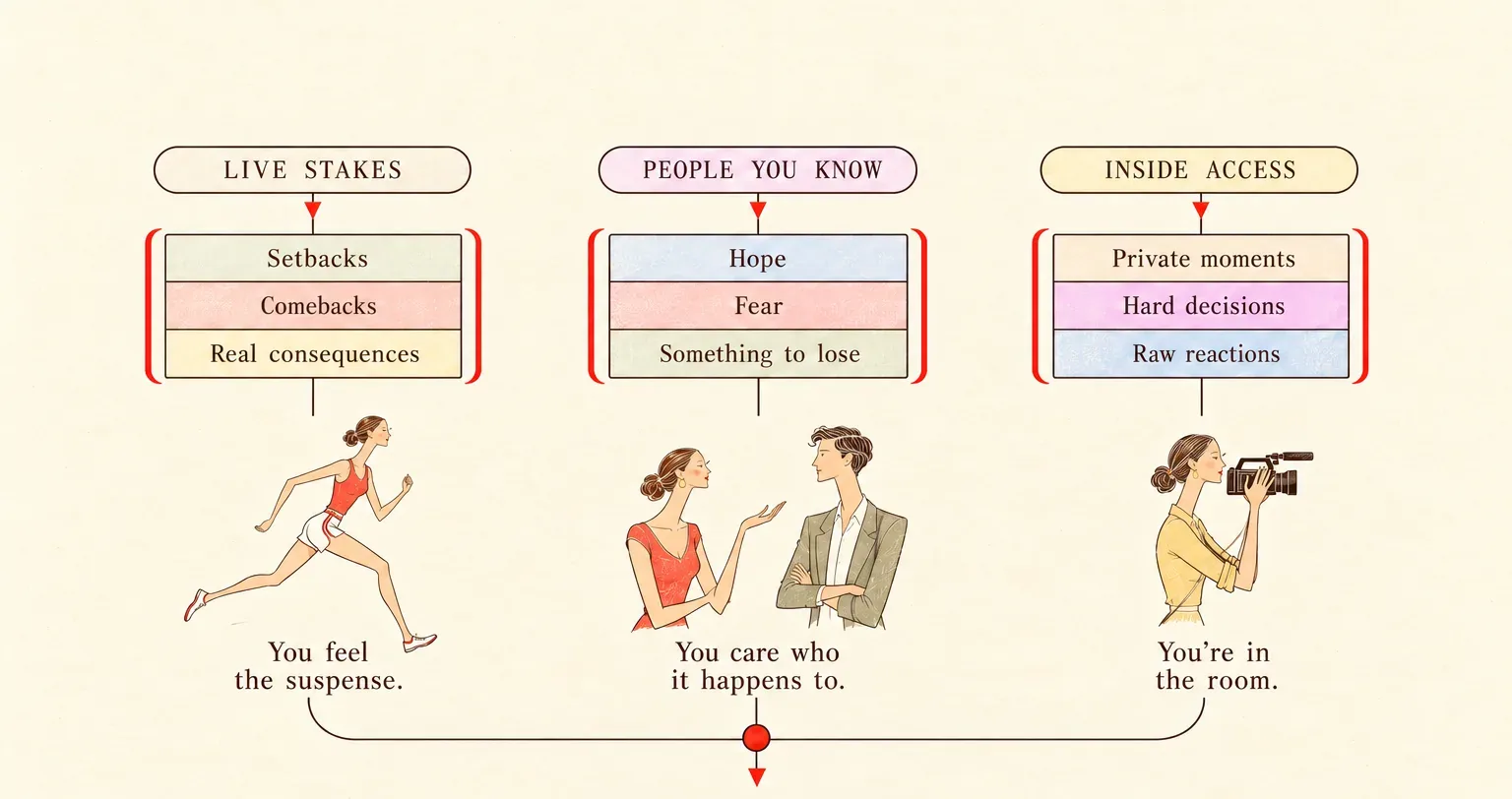
Pick a side. Come back. Get drawn into a new world.
Because we start with the person rather than the result, the suspense carries emotional weight. You might not care about sailing, but you know what it’s like to be scared of letting your team down. So when Spain’s strategist watches her mistake nearly cost the final, you feel it.
Put those three things together, live stakes, people you’ve come to know and the access to be in the room when it goes wrong, and audiences pick a side, come back for the next episode, and end up gripped by a world they never thought they’d watch.
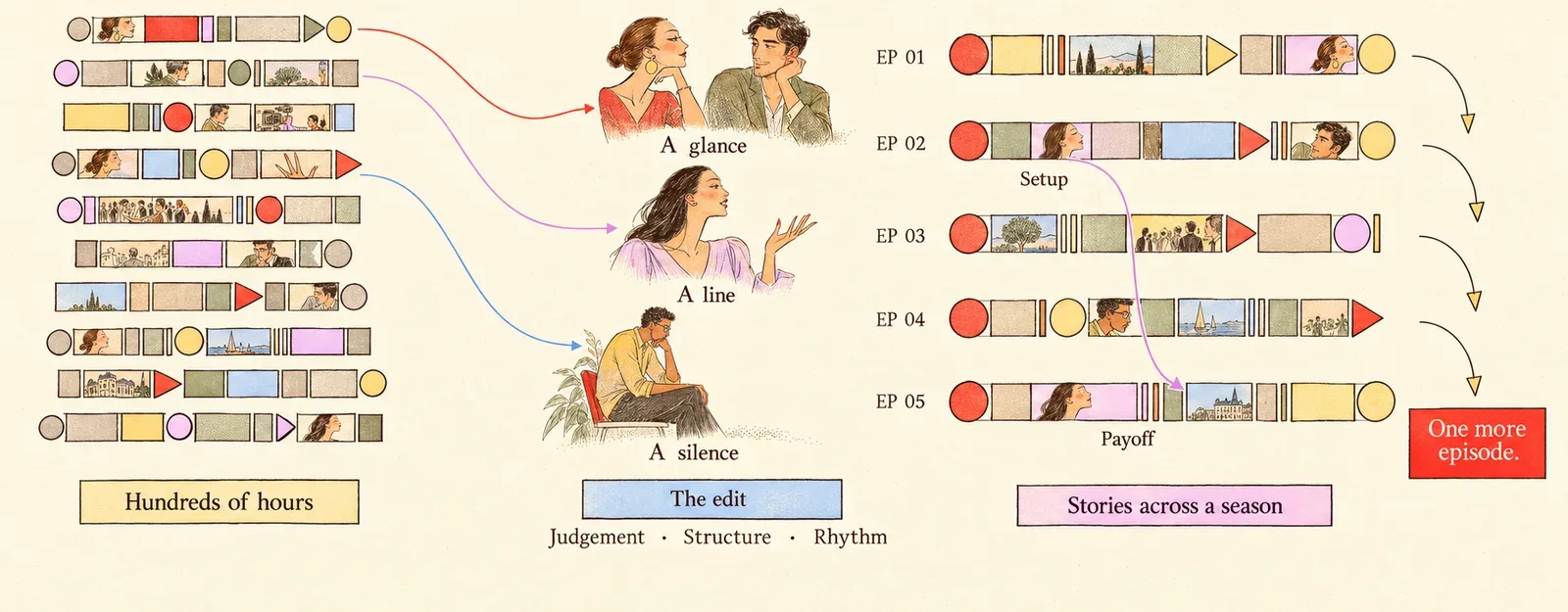
Because entertainment is made in the edit. Hundreds of hours of rushes contain a handful of moments that matter, and knowing which ones is the craft: the glance that tells you two teammates have stopped trusting each other, the line in episode two that will pay off in episode five, the beat of silence worth more than any interview answer.
Raw access on its own is just footage. What makes it entertaining is structure: storylines that build across a season, characters introduced so you care before the crisis hits, episodes paced so each one ends with a reason to come back. That judgement comes from years of broadcast documentaries and whole seasons of Racing On The Edge, and it’s why the same material that would sit unwatched as highlights becomes a series people make an appointment for. The events give us the ingredients; the storytelling is what makes them delicious.
The comments aren't the only reviews. This is how the press and SailGP's own releases describe Racing on the Edge and the lines from inside the series they keep quoting. No YouTube comments here; those have a section of their own.
News Corp's sailing writer framed the series as Drive to Survive gone to sea: foiling speed machines, adrenaline racing, even a whale wandering into shot, and credited it with bringing in “a whole new generation of sailing fans.”
News Corp Australia, Amanda Lulham, sailing correspondent
An Australian sports outlet put it in one line: Racing on the Edge is to SailGP what Drive to Survive is to F1, an exhilarating series where “tensions run high and personalities clash.”
, OnlySports, Australia
The trade press calls it SailGP's acclaimed behind-the-scenes docuseries. The 2026 relaunch was billed as the “most character-driven season” yet made, stars chasing greatness at speeds past 100 km/h.
SailGP season release, via Pressmare, Season 6 premiere · “Most Revealing Season Yet”, May 2026
Reflecting on the weeks when his seat was on the line, in Season 5's “Fletcher's Return”:
“I may never drive an F50 again.”
“Fletcher's Return”, Season 5 · All At Sea, 2025, Dylan Fletcher, driver, Emirates GBR
The generational gauntlet, thrown down on camera in Season 4: none of the younger drivers, Slingsby said, had shown him they were the next Ainslie, Outteridge, Burling, Slingsby or Spithill. Then he doubled down: “I don't think we'll see 45 year old drivers in SailGP.”
“Slingsby lays down the gauntlet”, Pressmare, 2024, Tom Slingsby, Season 4
Jimmy Spithill's exit episode, closing Season 4, produced a classic. He'd sub in for Slingsby, on one condition: “you have to agree to naming your son Jimmy.”
“Biggest shake-up in SailGP history”, Yachts & Yachting, Jimmy Spithill, driver
Described in coverage as capturing SailGP's most extreme test yet.
Called the liveliest and most significant episode in the docuseries' history, Spithill's axing, and the Canada–Spain feud.
Slingsby on his habit, as reported from the series: “I've probably given a few hundred dollars to the swear jar.”
Press and official releases only, read 2 November 2026, no viewer comments (those live in their own section). Quotes are the speakers' words as reported; press descriptions are paraphrased with short attributed phrases.
What we make, how a production gets funded, and who owns what at the end. If your question isn't here, ask us directly.
Let's talkDocumentary films and series, behind-the-scenes series and documentary shorts. We work for broadcast, streaming and online, and some of our productions are commissioned or backed by brands and rights-holders.
No. Sport is a big part of what we've done, but we're just as interested in culture, business, and the people behind big achievements or big changes. What matters is strong characters, good access and a subject that can hold an audience.
Yes. Start with a short, non-confidential enquiry. Please wait for an invitation and agreed handling arrangements before sending scripts, footage or confidential material. We’ll discuss where the story might be and which format could suit it.
Yes. We make films and series that brands and sponsors commission or support. We'll help work out how the story, the audience and the partner fit together, and shape the proposal for funding conversations.
Less than most people expect: a fraction of what a streaming docuseries costs, with distribution included. It depends on the format, the access, how long we're filming, where, and what needs delivering. Tell us what you're hoping for and any budget you have in mind, and we'll talk through a scope that makes sense.
During the season, while it's still being decided. We agree the release plan with you before filming starts, so you know when each episode lands. In 2025, the Racing on the Edge episode from Portsmouth was out three weeks after the racing.
Yes, it's part of what you pay for. Our documentaries air on more than 50 broadcasters worldwide, and we work out the mix of broadcast, online and your own channels alongside the format, the funding and the rights.
Yes. We can plan shorts, trailers, social cuts, vertical versions and versions for different territories as part of the production. Languages, formats and delivery specs get agreed when we set the scope.
Yes. We're based in Bristol, but we film wherever the story is, and we build the team around the locations and access each project needs.
Yes. As well as making full productions, we can come in as executive producers, series directors or editorial leads on an existing project. We'll agree who does what around the team you've already got.
That depends on how the project is commissioned and funded. Ownership, licences and usage are agreed project by project, and we talk them through while we're putting the proposal together.
P1Note

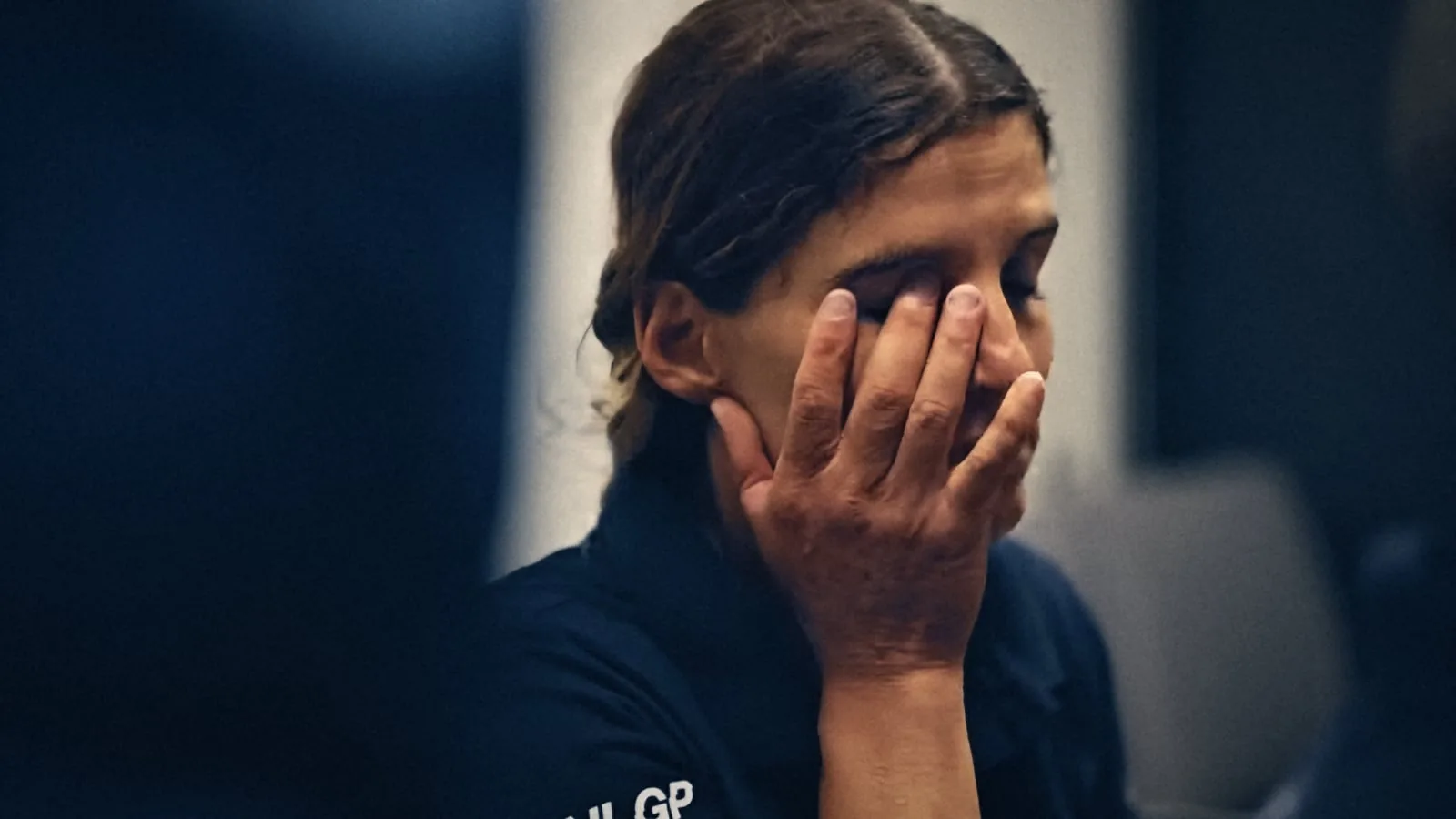
We'd spent time with Nicole long before Portsmouth. She took on responsibility young, when her mother fell seriously ill, and failing others still hurts her most. So when her mistake nearly costs Spain the final, and they come back from fourth to win, you already know exactly what it means to her. We cut the episode around the person, not the result.
 P1Note
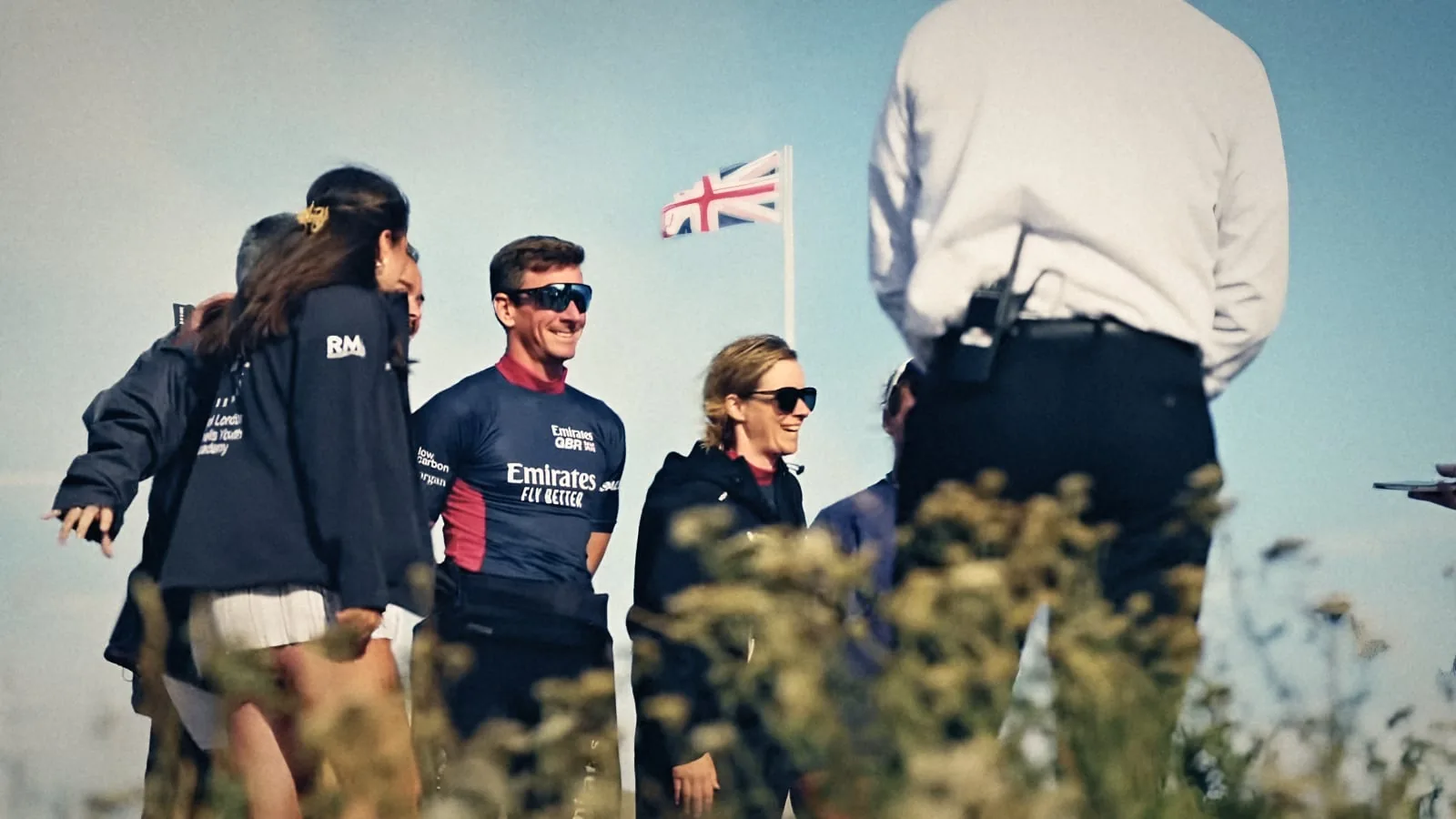
Dylan said it quietly, almost to himself: “I may never drive an F50 again.” You don't get that line in a press conference. You get it because you were already in the room, and had been for long enough that the camera stopped mattering. Everything else in the edit was built to earn that moment.
 P1Note
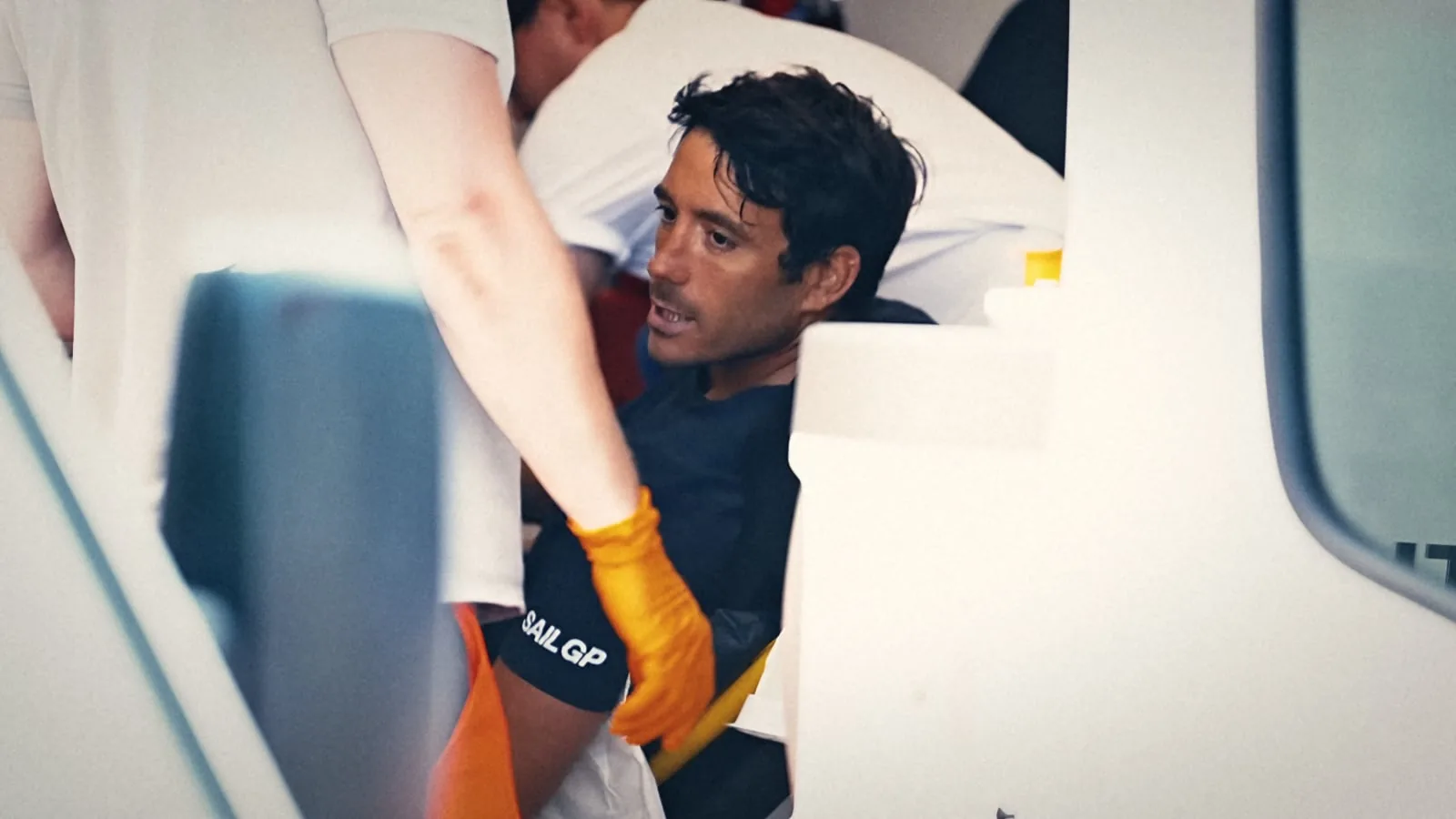
Sassnitz was the most extreme test the fleet had faced, and none of it was in our outline. That's the job: you plan the filming around the story, and when events change direction you stay with them. The episodes people remember are usually the ones where the plan didn't survive the weekend.
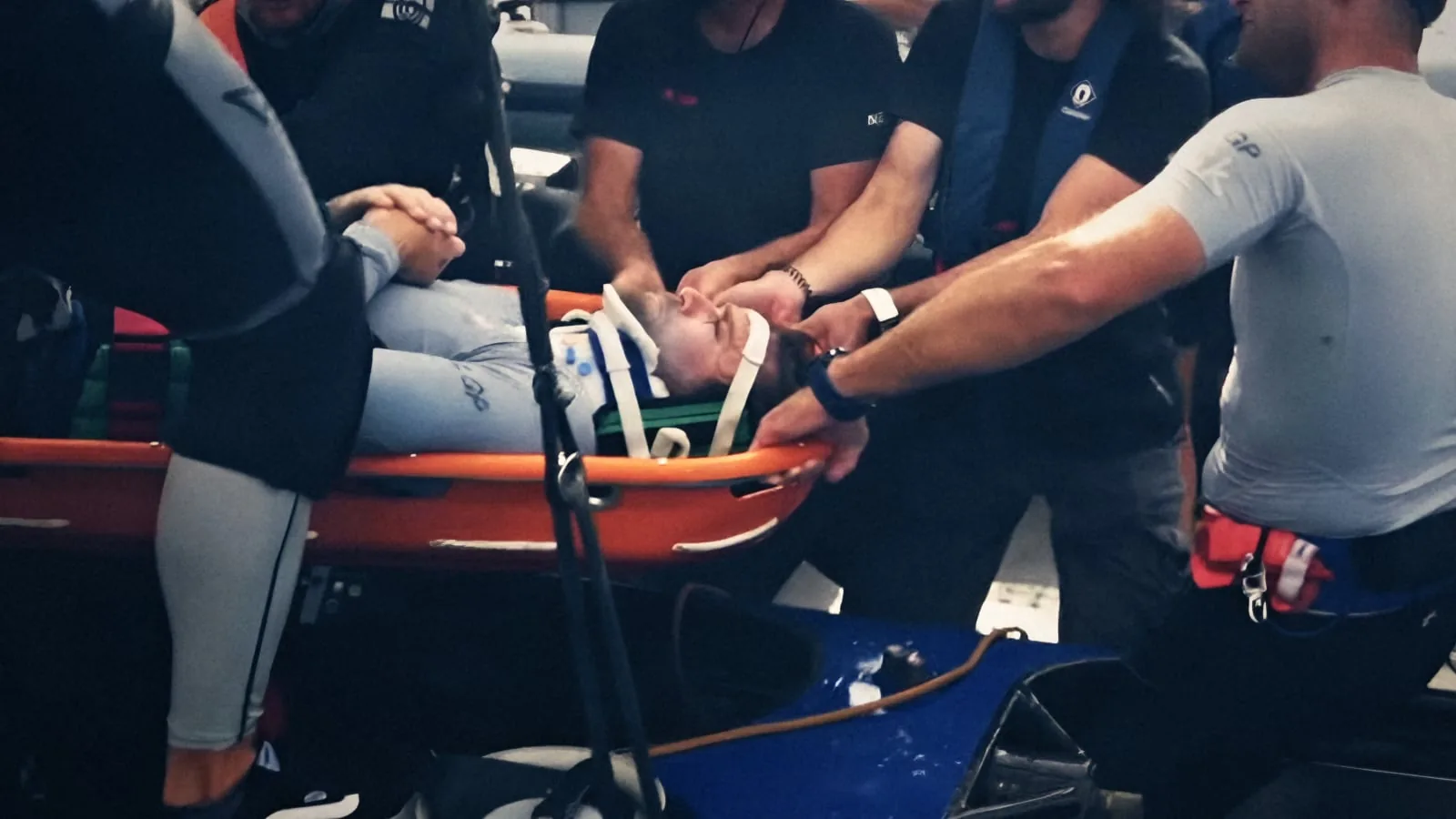 P1Note
Closing a season on a legend leaving the sport, the easy cut is all violins. Jimmy gave us the better one: “you have to agree to naming your son Jimmy.” An exit episode should sound like the person leaving. His was fierce, funny and generous, so the episode is too.
P1Note
A team changing hands could be a dry episode: lawyers, valuations, a press release. We filmed it as what it was for the people inside it, with livelihoods and loyalties on the line. The press called it the liveliest and most significant episode in the series' history. The deal was the setting. The people were the story.
 P1Note
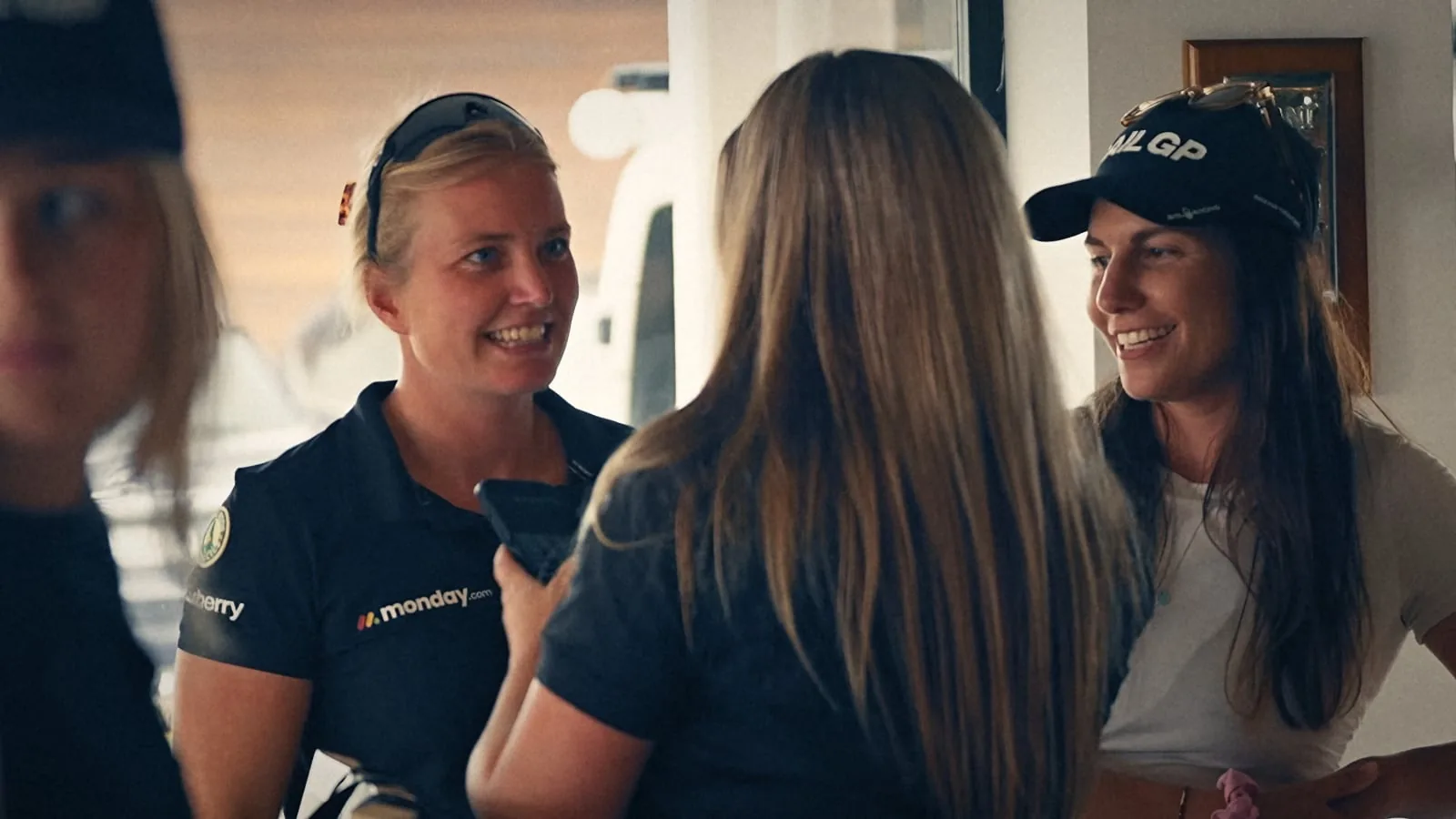
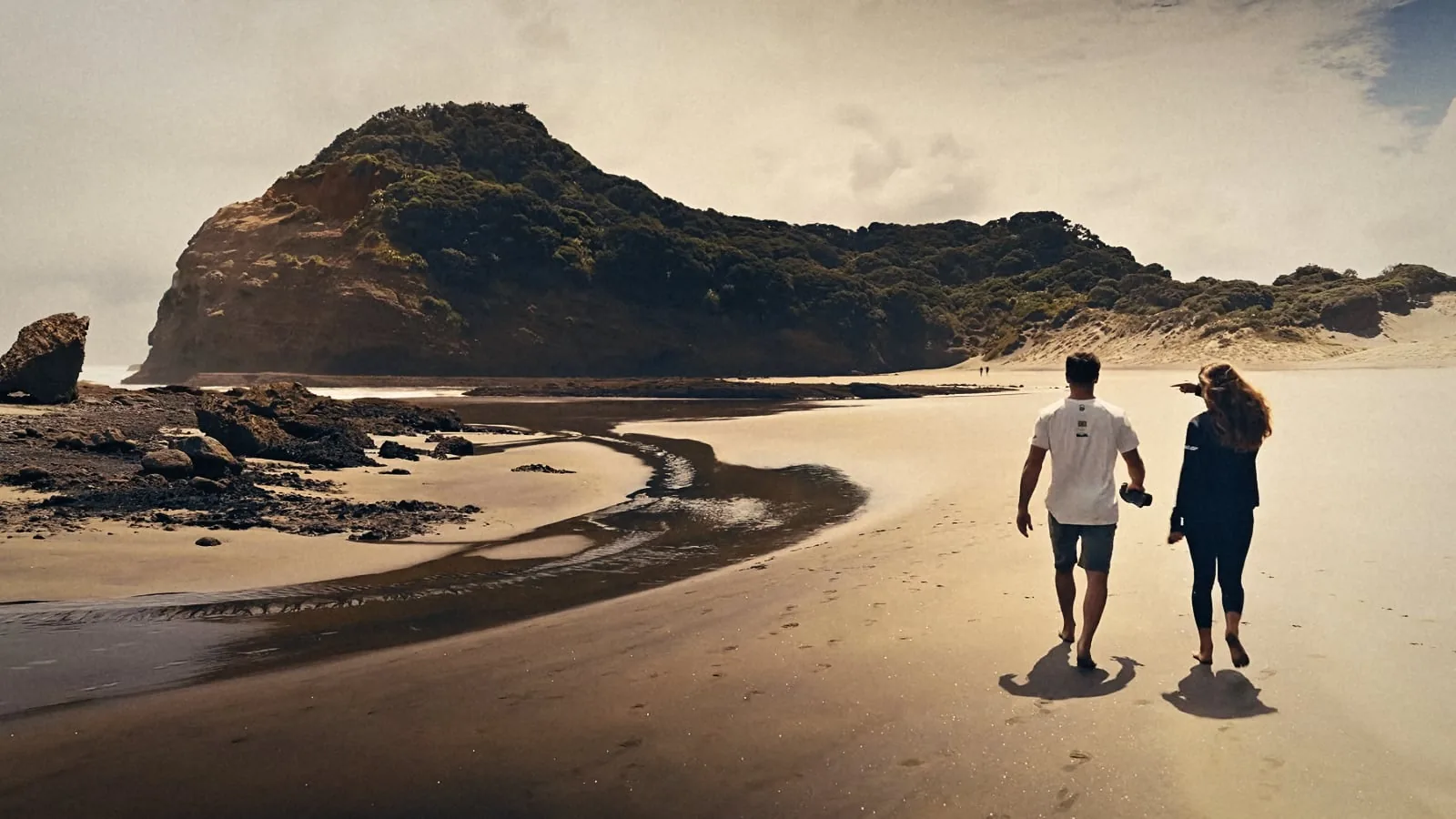
When we scanned every episode from four seasons on SailGP's channel, the most-liked comment in the whole series sat under this one, and next to it, “I cried through the whole episode.” That's the audience telling you the empathy landed. We take those comments as seriously as any commissioner's notes.
The reviews are in the comments
We don't write our own reviews. These are the top comments under Racing on the Edge, every episode in the Season 3–6 playlists on SailGP's YouTube channel, read on 2 November 2026.
What comes up, season after season
“Story”, “back story” and “insight” appear under nearly every episode. Viewers single out the deep dives into personalities and lower-ranked teams, and say the series makes them bigger fans of the racing.
Music, mast and drone shots, editing, thumbnails and cliffhanger endings all get named. Two viewers credit the crew by name.
Drive to Survive comes up unprompted in at least four seasons, always in the series' favour, including episodes landing while the season's still on.
“You made me cry.” “Gave us goosebumps.” A first-time viewer calls it “surprisingly emotional”. One S6 viewer says an episode inspired him to start sailing again.